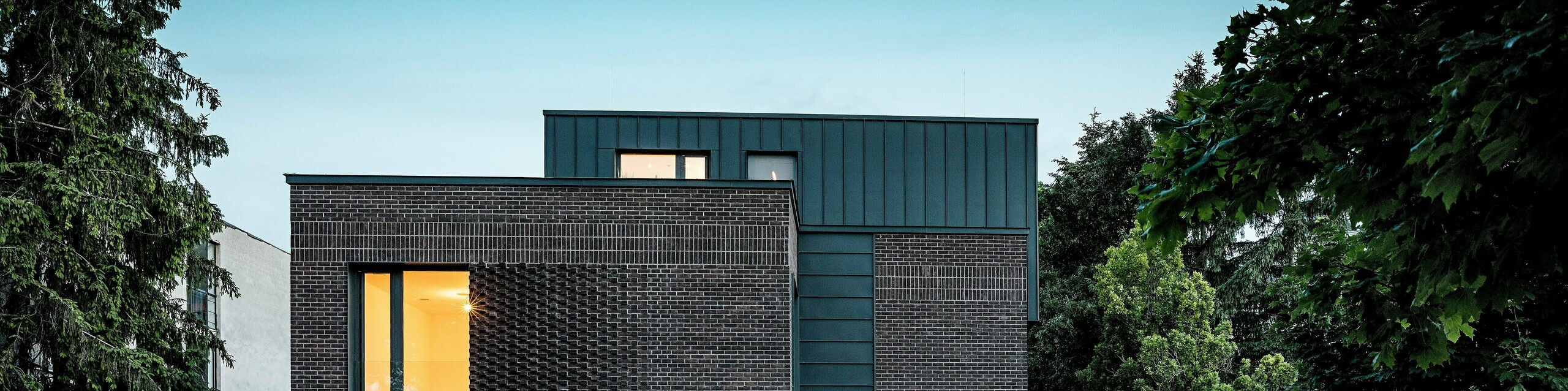
Summary:
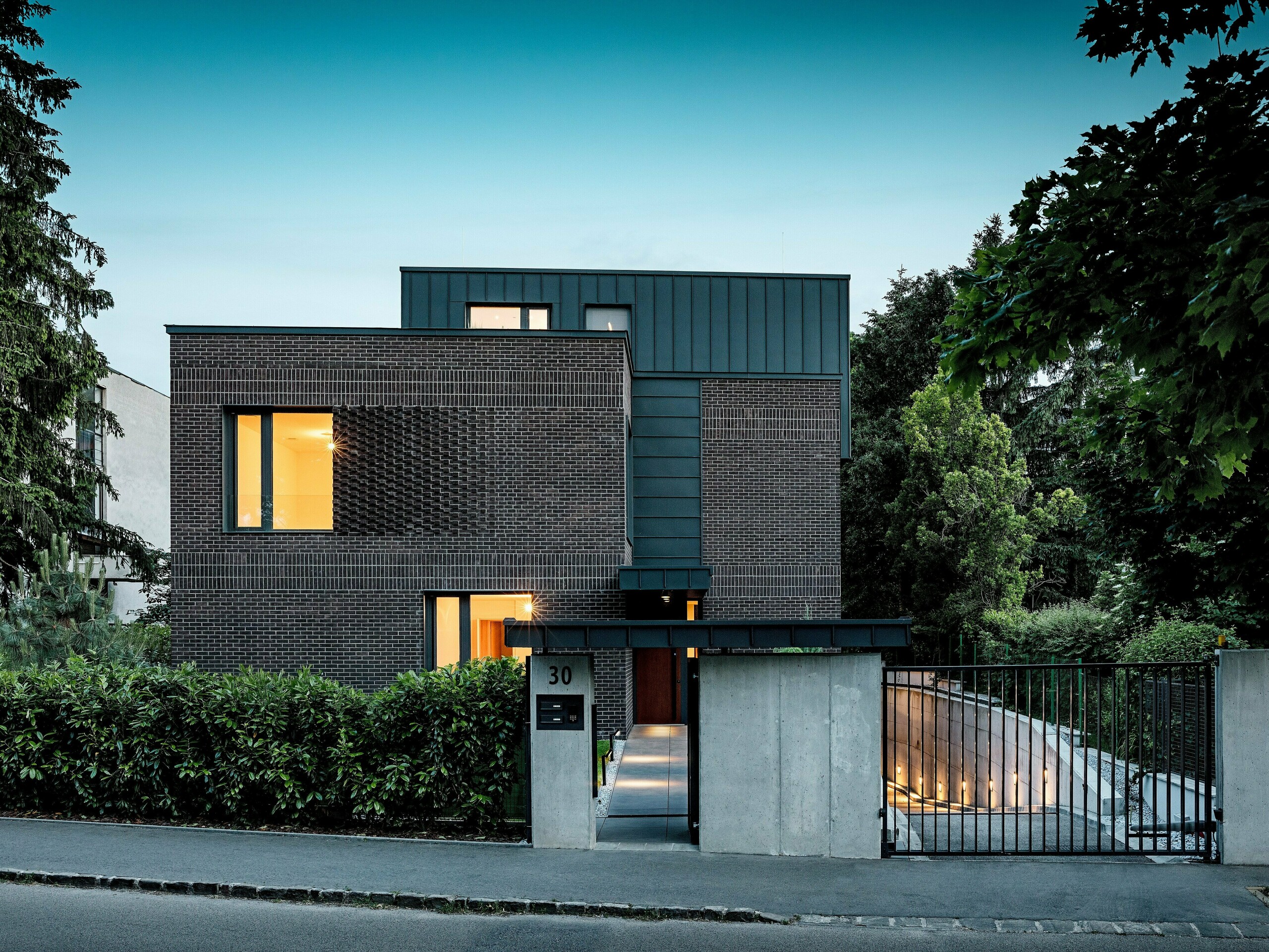
In Budapest, this striking apartment block, featuring a cubic PREFALZ standing seam flat roof in P.10 anthracite, provides a modern counterpoint to the historic villa district. Through a contrasting choice of materials—aluminium, brick and concrete—Budapest-based architects Zoltán Kabdebó and Dániel N. Varga (A Fiúk Építész Stúdió) emphasise the building’s distinctive features.
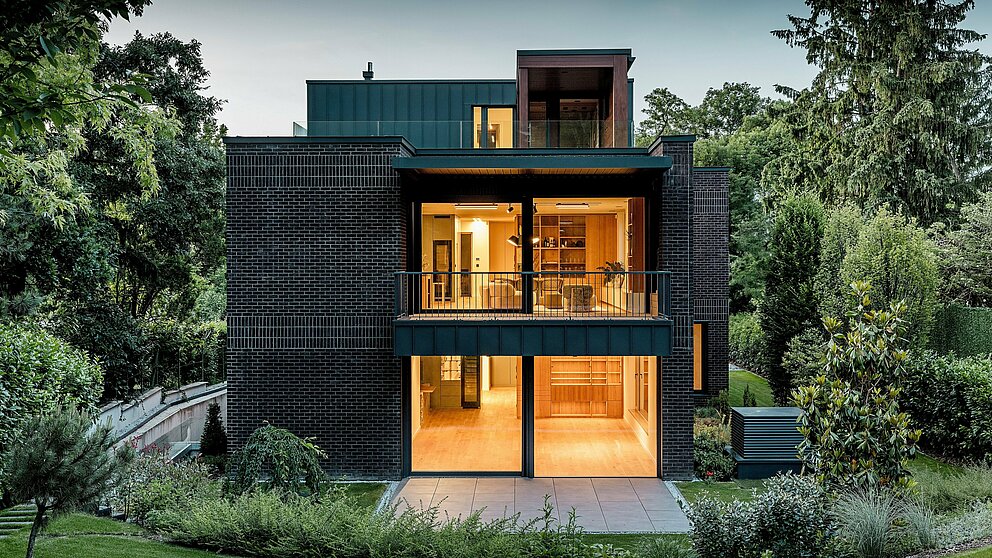
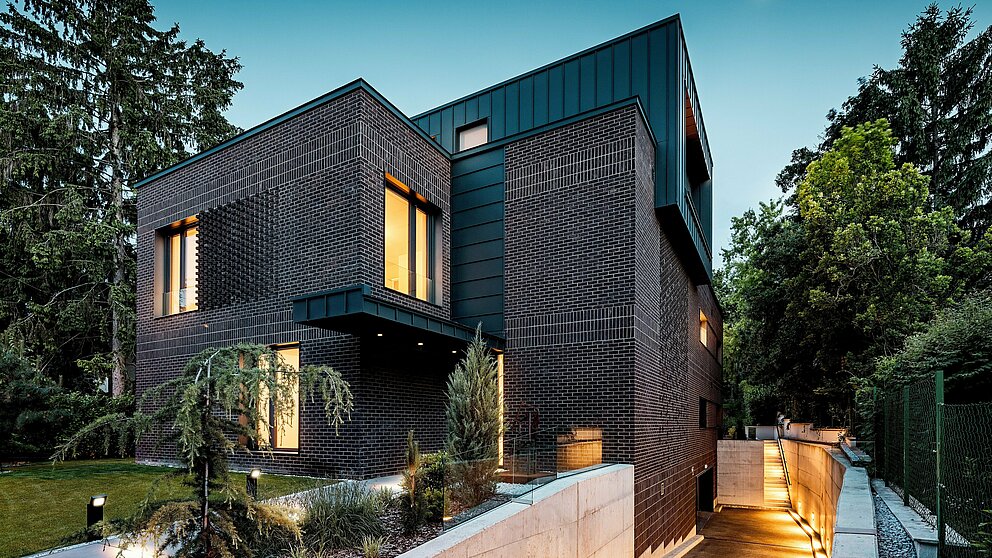
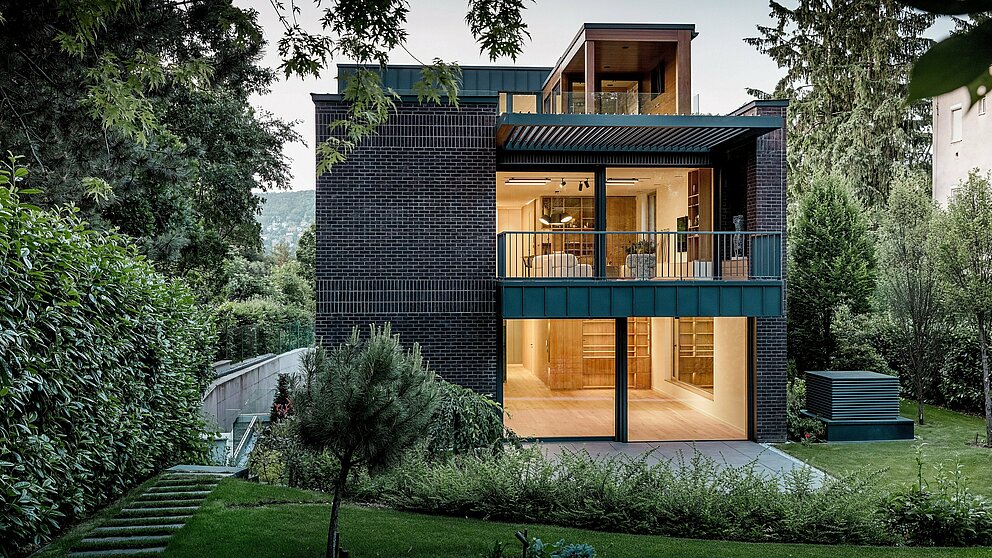
In Budapest’s upmarket 12th district, Hegyvidék, magnificent turn-of-the-century villas bear witness to the cultural heritage of the imperial era. Amidst this architectural nostalgia, a modern multi-generational villa with two separate residential units has been built to designs by the Budapest-based architects at A Fiúk Építész Stúdió. A striking building that skilfully bridges the different eras.
Cubism and contrasts
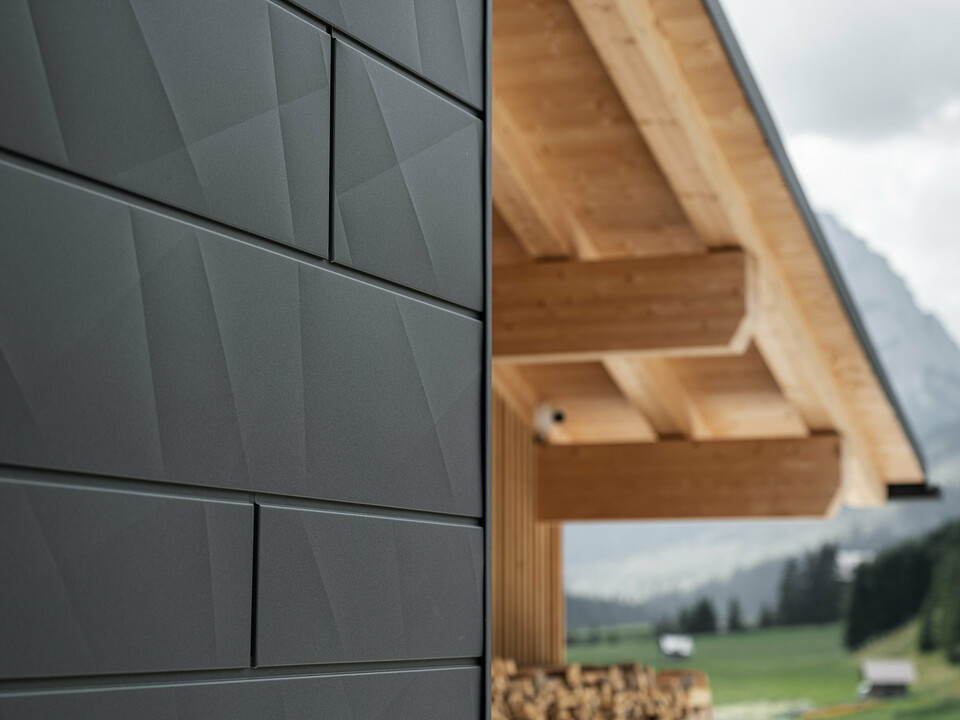
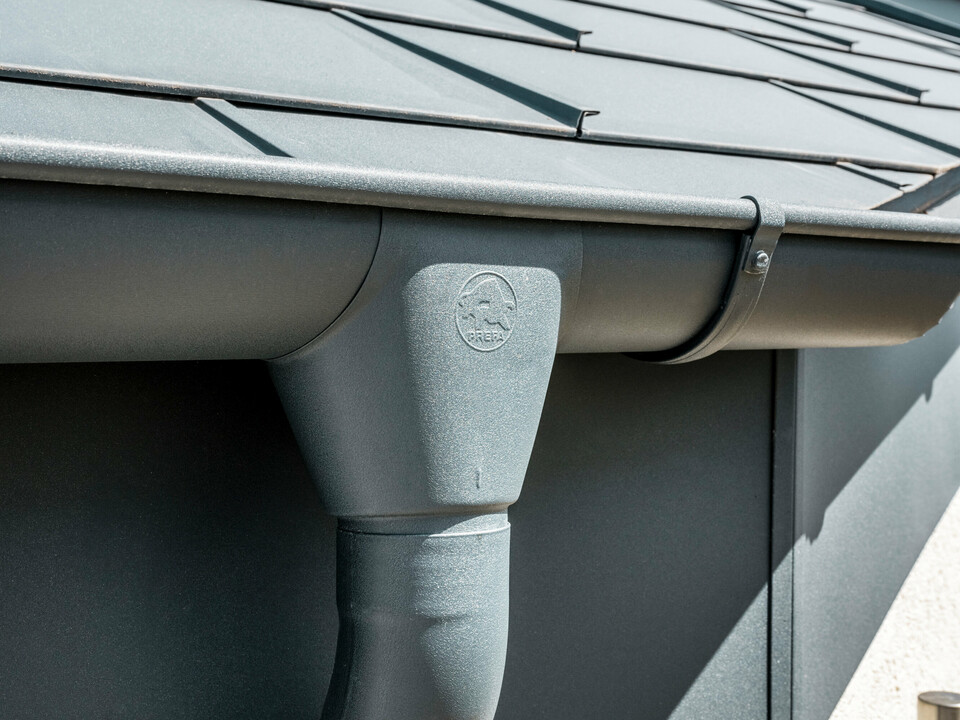
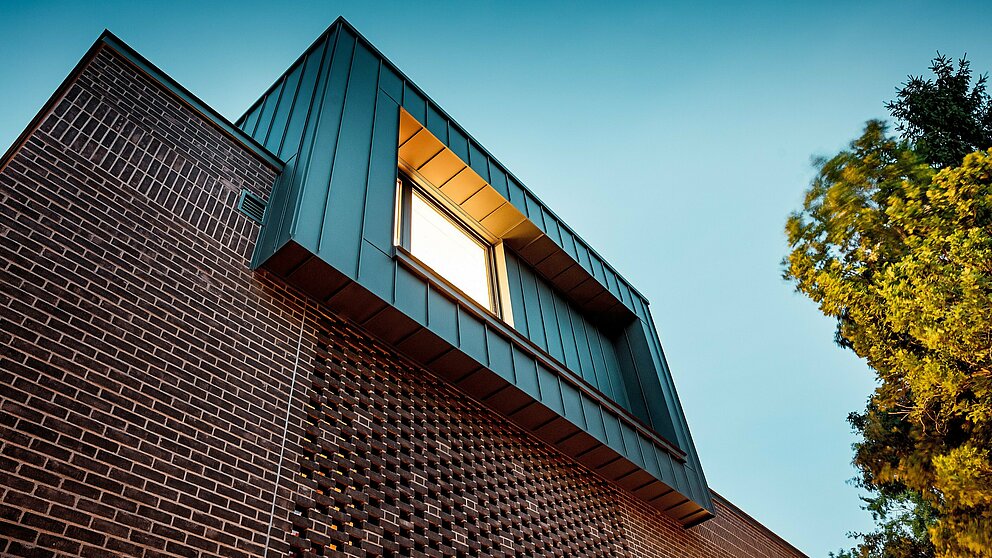
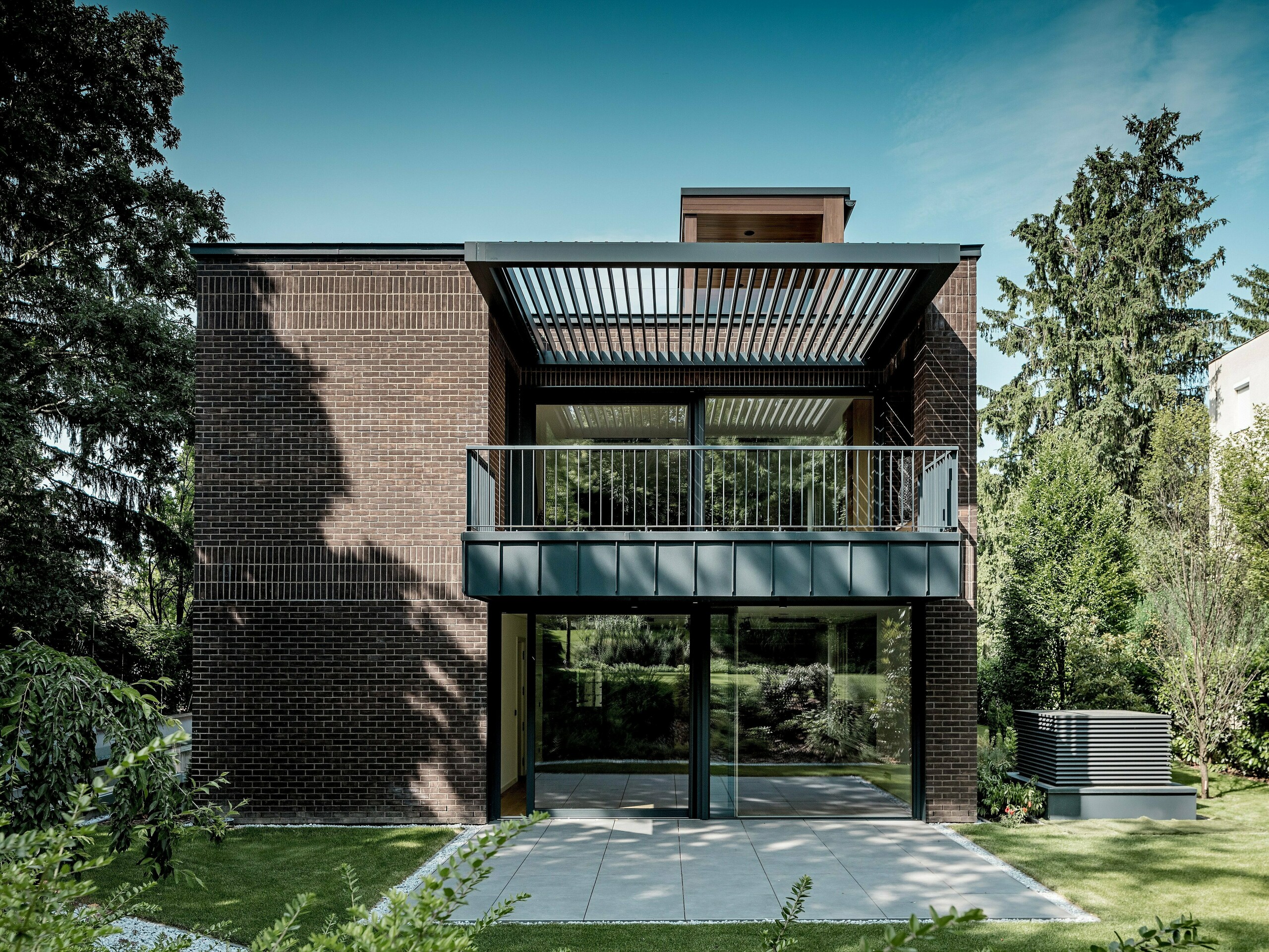
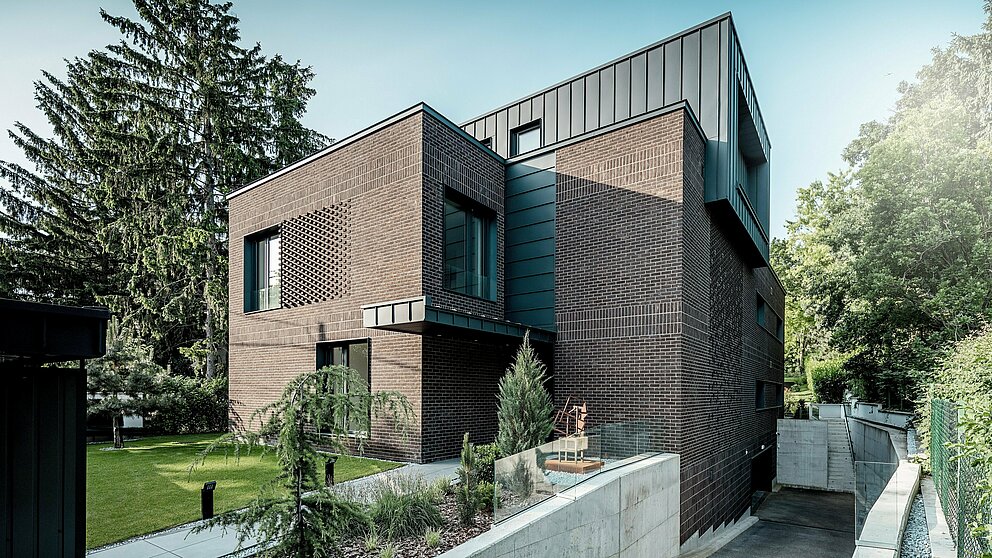
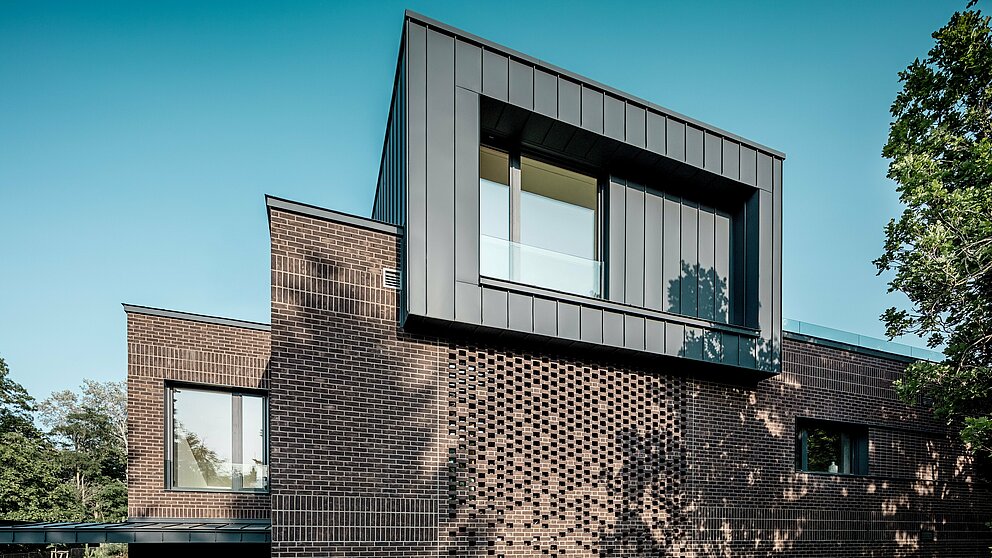
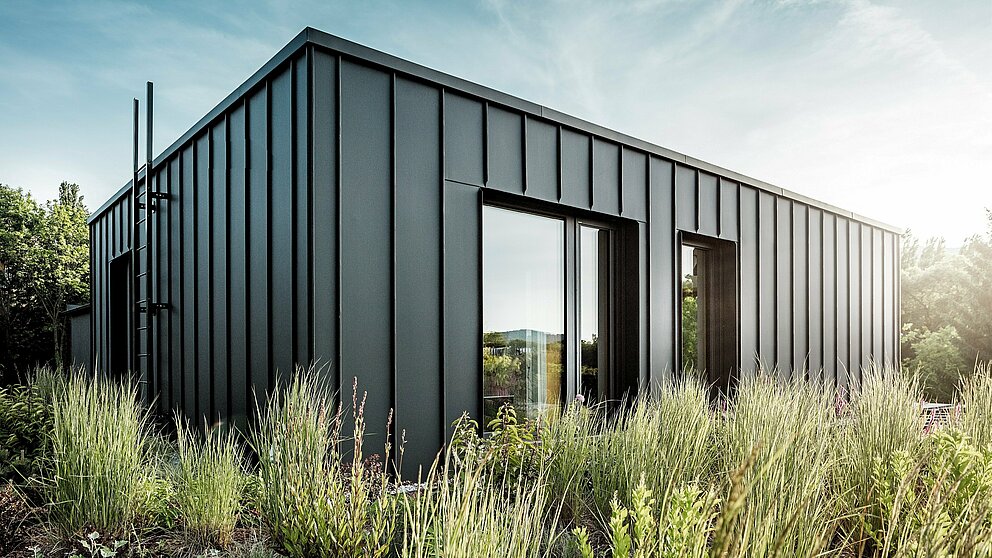
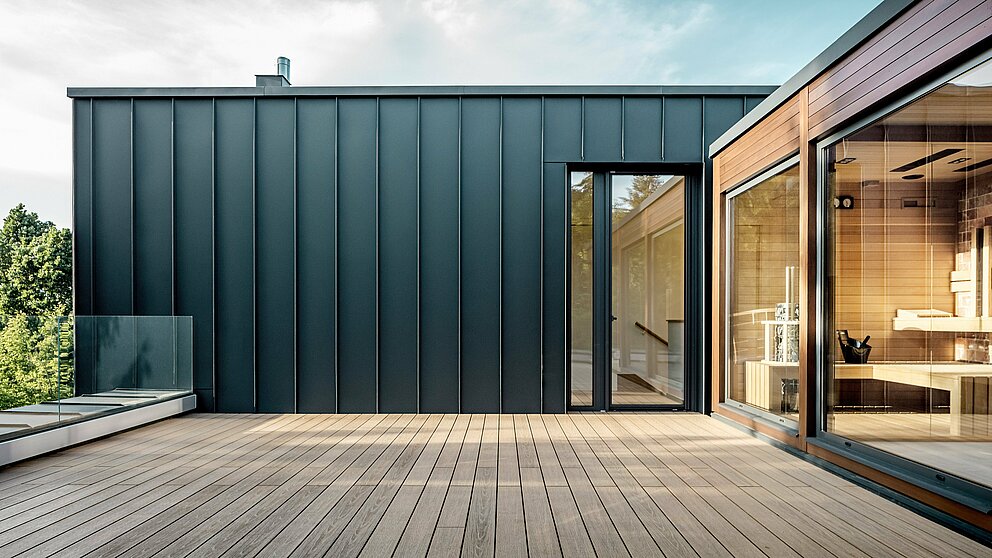
Budapest-based architects Zoltán Kabdebó and Dániel N. Varga were commissioned to build a new family home on the owner’s parents’ plot of land. A keen sense of quality guided their choice of materials. “As a matter of principle, we work with a limited number of materials. In this project, we have used two durable and therefore sustainable materials side by side,” says Zoltán Kabdebó, illustrating the deliberate contrasts: a cubic roof structure with a PREFALZ standing seam aluminium cladding in P.10 anthracite crowns a solid base structure in reinforced concrete rib construction with reddish-brown brick. Horizontal laid bricks form an attractive counterpoint to the vertically rising standing seams of the façade. And to consistently highlight the clear design language, the drainage system for the aluminium façade has been discreetly positioned internally.
Material and Modernity
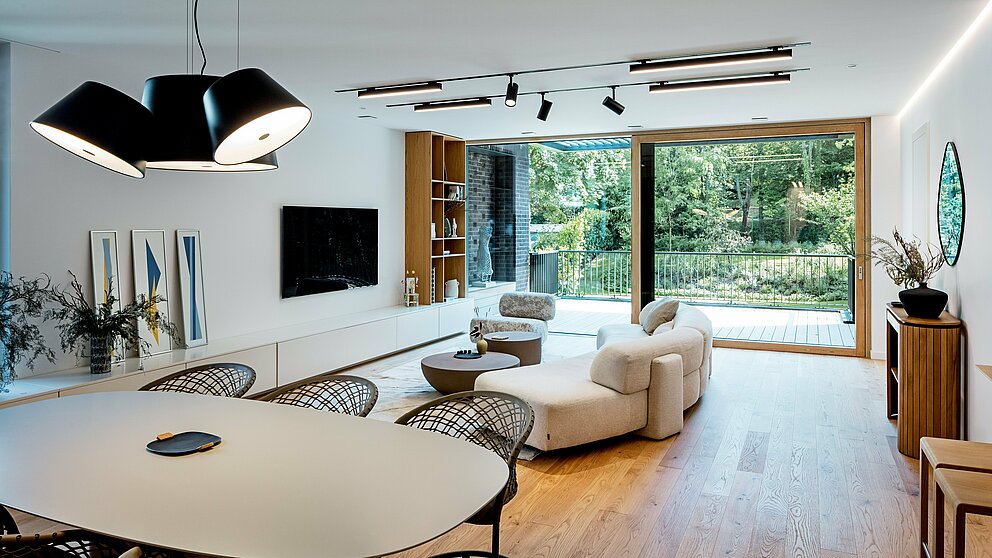
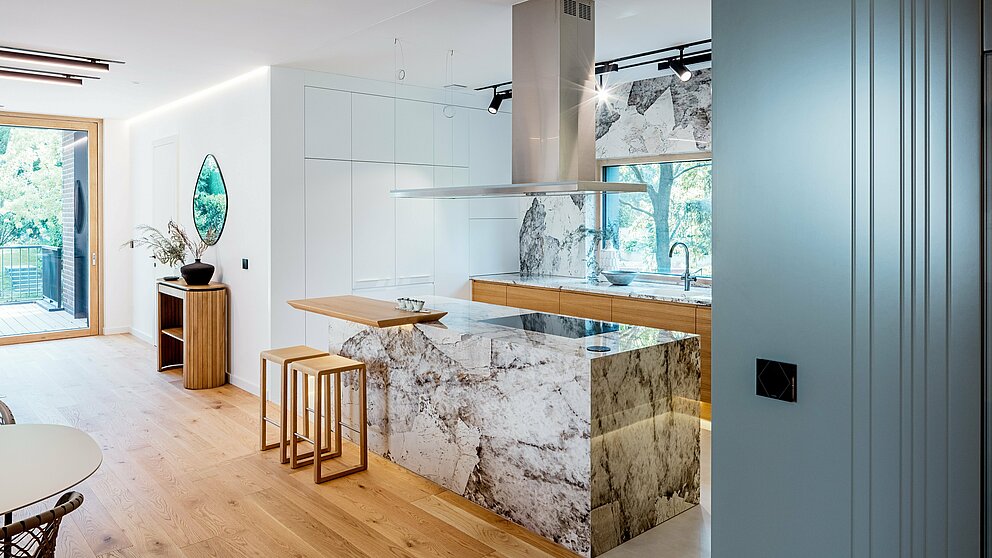
On the ground floor of the new building is an apartment with direct access to the garden. Above this is the second apartment, spread over two floors. A large balcony and a roof terrace with sweeping views open up the living space to the horizon. The cubic-shaped attic houses the master suite and wellness area. The slightly offset roof structure has created deliberate overhangs, recesses and sheltered outdoor areas. Fittings made of marbled natural stone slabs and light oak in the kitchen, staircase and bathrooms demonstrate stylish restraint.
Impressed right from the start
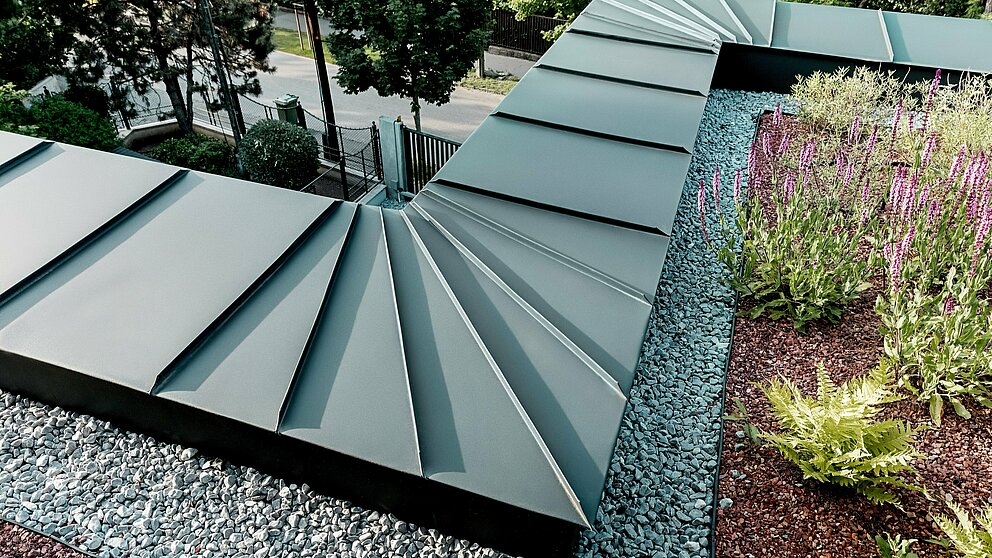
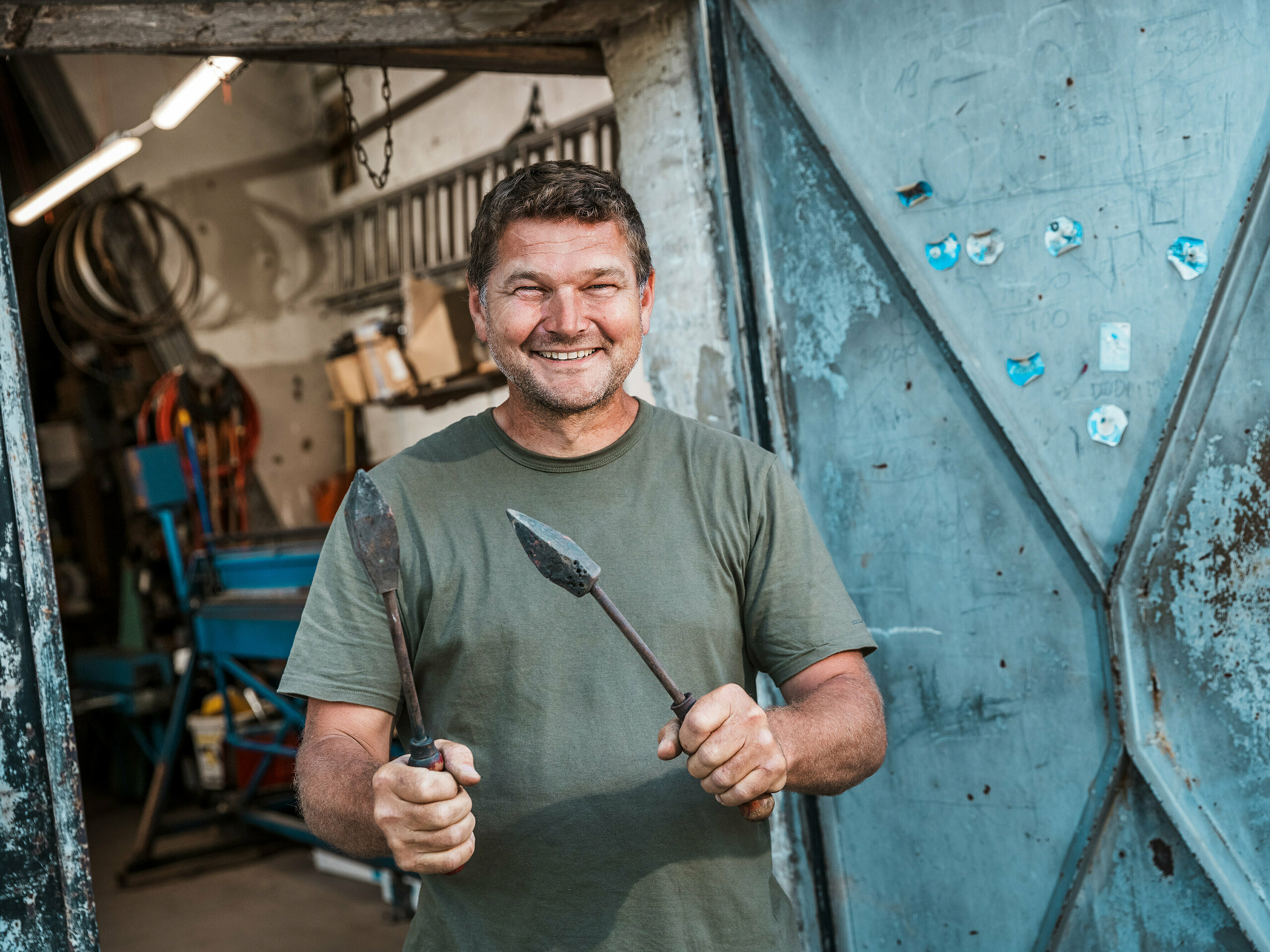
Master tinsmith Richárd Tóth spent two months working on the installation of façade elements, the canopy, the parapet and the balcony cladding. The panels were to extend out from the parapet and merge visually into a cubic roof structure. At the corners of the parapet, the metal sheets are arranged in a fan-like pattern so that the folds taper to a point. These details required the utmost precision during cutting and seaming. A challenge that the chosen material, however, masters with ease. “You can almost fold origami with aluminium,” says Richárd Tóth, who has relied on the quality of PREFA from the very beginning. To be precise, ever since the company entered the Hungarian market in 2003. The self-taught craftsman is convinced by the workmanship, the lightness of the material, its versatility and the well-designed installation system, which greatly simplifies work processes. This makes the PREFA system the ideal basis for tradespeople who combine technical expertise with creative ambition.
Further information
Material: PREFALZ standing seam roof and façade in P. 10 anthracite
Photo credit: PREFA / Croce & Wir